
When choosing glass packaging, size is one of the first decisions a brand makes. The selection of the right size, whether it is a 50ml, 100ml, 250ml, 500ml, or 1L glass bottle, hinges on more than the bottle capacity. It depends on product use, price, customer-facing display shelves, transport, and customer perception.
Glass packaging is slowly becoming the material of choice in Dubai, the UAE, and the wider GCC, with its adoption spreading across categories, from food and beverages to cosmetics, home fragrances, and gifting. Each category comes with its unique packaging requirements, which makes bottle capacity an important decision when defining teh product’s go-to-market strategy.
Here is a practical guide to common glass bottle sizes and where they work best.
50ml Glass Bottles: Small, Premium and Purpose-Driven
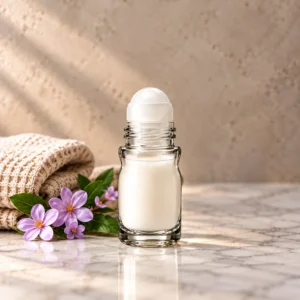
The 50ml format is ideal for products designed for small-quantity use or when portability matters.
In the cosmetics and personal care industry, 50ml glass bottles work well for facial oils, serums, specialized treatments, and other concentrated formulatio
ns. The smaller capacity can also work well for premium or trial-sized products.
For F&B brands, 50ml bottles can suit specialty sauces, flavor concentrates, dressings, syrups, and gourmet products consumed in small quantities.
The compact format also has strong potential for hospitality and gifting. Hotels, restaurants and corporate gift
ing companies can use smaller glass formats for curated product sets or limited-edition offerings.
For brands, the smaller footprint also creates an opportunity to deliver a premium presentation without requiring much packaging material or shelf space.
100ml Glass Bottles: Compact Packaging with Strong Shelf Appeal
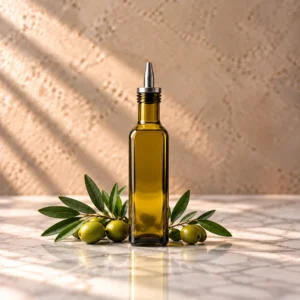 Moving up to 100ml gives brands more product capacity while retaining the compact nature of smaller-format packaging.
In cosmetics, this size can work for facial and body oils, beauty formulations, hair-care products, and other products where controlled dispensing is important.
For home fragrances, 100ml bottles can be particularly useful for reed diffusers and fragrance products designed for smaller rooms, gifting collections or introductory ranges.
F&B businesses can also use 100ml bottles for premium sauces, condiments, oils, dressings and specialty beverages.
For brands selling through boutiques, concept stores and gift retailers across the GCC, 100ml bottles can provide a useful balance between product quantity and visual presentation.
The bottle itself can also become part of the brand identity. Clear glass can showcase the product, while the shape, closure, label, and finishing details can help differentiate it on the shelf.
250ml Glass Bottles: The Versatile Mid-Size
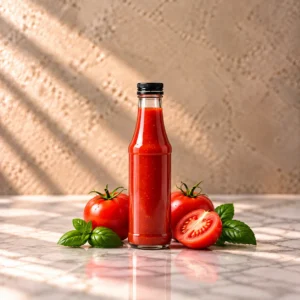 The 250ml glass bottle is one of the most adaptable formats for consumer products.
In F&B, it works for sauces, dressings, syrups, gourmet oils, juices, beverages, and other specialty food products. It offers enough capacity for regular use while remaining relatively easy to handle and display.
For home fragrance brands, 250ml can be an appropriate format for reed diffusers and other fragrance products positioned as longer-lasting home-use products.
In cosmetics and personal care, the format can work for selected oils, body-care products, and other formulations where a larger quantity is appropriate. The 250ml format can also work particularly well for premium gifting. A well-designed bottle, paired with an appropriate closure and label, can make an everyday product feel more considered and gift-ready.
250ml bottles serve as a useful middle ground for categories that offer products in different capacities, such as shampoos and body wash. It allows manufacturers to offer smaller trial formats and then offer different capacities for different use cases, from travel to larger everyday-use packs.
500ml Glass Bottles: Practical for Everyday Use
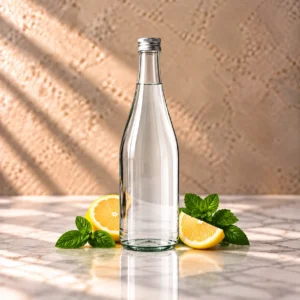 A 500ml glass bottle offers much more capacity and suits products intended for regular or shared use.
For F&B brands, this is a popular size for cooking oils, sauces, beverages, juices, syrups, and specialty food products. Restaurants, cafés, gourmet food companies, and retail brands may all use this format.
For example, a 500ml cooking oil bottle is a sensible retail quantity. It allows the manufacturer to maintain a premium appearance that showcases quality and purity.
In home fragrances, larger formats can suit products intended to last longer or for larger living spaces. The additional capacity can also support premium positioning when the product is designed as a long-lasting home fragrance.
For cosmetics and personal care, 500ml is more relevant for products such as body-care formulations or professional-use products where customers need a larger quantity, such as family packs.
Glass bottle size also matters from a usability perspective. A larger bottle must be comfortable to hold and dispense, so bottle shape and closure are just as important as capacity.
1L Glass Bottles: Larger Capacity for Food, Beverage and Hospitality
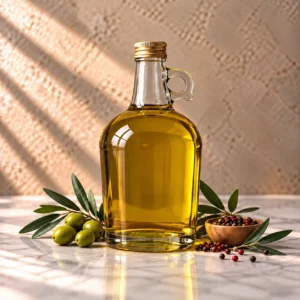 At the larger end of this guide, 1L glass bottles suit products where consumers or businesses need greater quantities.
In F&B, 1L bottles are popular with cooking oils, beverages, syrups, and other food products. They can also suit hospitality and foodservice applications where larger quantities are consumed regularly.
For premium food brands, a 1L bottle can communicate abundance while retaining the visual qualities of glass packaging; however, because the bottle is larger and heavier, handling, transportation, and storage are important considerations to factor in.
The same principle applies to home fragrance or other product categories: choose larger formats based on actual usage patterns rather than capacity alone.
Choosing the Right Glass Bottle Size for Your Industry
There is no universally correct bottle size. The ideal format depends on the product, customer, and intended use.
For F&B
Consider:
- How frequently the product will need a refill
- Whether it is intended for retail or foodservice
- Product viscosity and dispensing requirements
- Shelf space
- Transportation and storage
- Closure and sealing requirements
Sauces, oils, dressings and beverages may require very different bottle designs even when they have similar capacities.
For Cosmetics
Cosmetics and personal care products lean towards 50ml and 100ml formats for concentrated or premium products, while larger formats may suit products designed for regular body or professional use.
Dispensing is particularly important. A serum bottle, for example, may require a dropper or pump, while another formulation may require a different closure altogether.
For Candle Jars
Candle packaging is slightly different because the container is both packaging and part of the product experience.
Rather than selecting a jar purely by milliliter capacity, candle brands should consider:
- Wax fill weight
- Wick requirements
- Burn performance
- Jar diameter
- Heat resistance
- Lid compatibility
- Label area
- Overall aesthetic
A well-proportioned candle jar can significantly boost a product’s perceived value. For premium candles, shape, glass thickness, finish, and the lid can become key elements of brand identity.
For Home Fragrances
Home-fragrance products require packaging that is functional but aesthetically pleasing.
Reed diffusers, for example, need a bottle with an appropriate neck opening and compatibility with fragrance oils and reeds. Common smaller formats can work for introductory or compact products, while larger formats may be positioned as longer-lasting or premium offerings.
The visual presentation is especially important because home fragrances are often displayed openly in living spaces. The bottle therefore needs to complement the interiors in which it will be placed.
Glass Bottle Sizes Are Only One Part of Packaging Design
Choosing a capacity is only the beginning.
A brand should also consider the shape, neck size, closure, glass color, finish, label area, and overall dimensions of the bottle or jar.
For example, two 250ml bottles can look and function completely differently. One may have a narrow neck designed for controlled pouring, while another may have a wider opening for easier dispensing or filling.
A candle jar’s diameter not only affects its appearance but also its burning characteristics.
This is why packaging selection should consider the entire product system rather than capacity in isolation.
Choosing Glass Packaging for the UAE & GCC Market
For brands operating in Dubai, the UAE and the wider GCC, packaging decisions also need to account for retail presentation, hospitality applications, gifting and transportation.
The region’s diverse F&B, beauty, hospitality and lifestyle markets create demand for packaging that works functionally while also supporting premium brand positioning.
Glass offers a strong combination of visual appeal, product visibility and versatility, making it suitable for everything from gourmet food products and beverages to cosmetics, candle jars and home fragrances.
To arrive at the right size, you need to consider the product, customer, and the use case. A compact 50ml bottle may be ideal for a premium cosmetic, while a 500ml or 1L bottle may be more suitable for the F&B industry where the products are designed for regular household use.
Final Thoughts
Glass Packaging offers brands flexibility when it comes to storage capacity. Brands can, depending on their offering and targeted use, choose from 50ml and 100ml compact formats to 250ml and 500ml everyday sizes and 1L larger-capacity bottles.
The best choice is not necessarily the largest or smallest bottle. It is the format that balances product quantity, usability, presentation, storage, dispensing, and customer expectations.
Glass Bottles and jars for F&B, cosmetics, candle, and home-fragrance brands are more than mere containers. They are a part of the product experience and, in many cases, one of the first physical touchpoints between a customer and the brand.
Businesses exploring glass packaging for the UAE and GCC market can work with an experienced packaging supplier such as Glass-Pack to explore bottle and jar formats suited to different products, applications, and brand requirements.